Online Or Traditional Business Strategy? 20 Factors To Consider

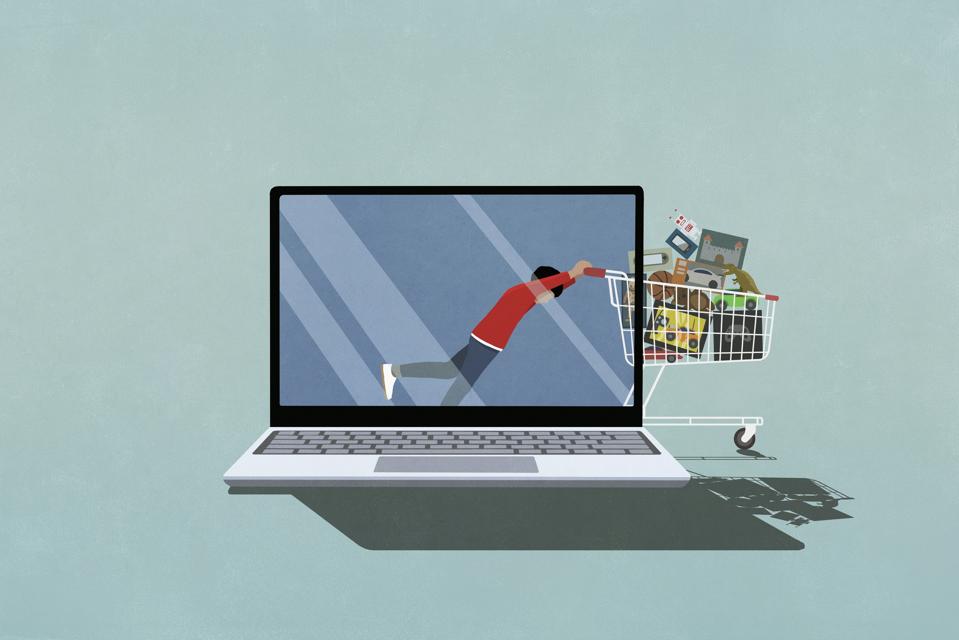
The success of a business depends heavily on leaders successfully pinpointing where they can best reach their target customers. As e-commerce businesses dominate and continue to grow—with many applications now offering built-in digital storefronts—many current and aspiring entrepreneurs are seriously debating the merits of having a digital-only brand or adding a physical presence.
Between reduced overhead costs, a global reach and more flexibility, an online business can be an attractive option, but physical stores are still a practical choice offering unique benefits—even in a digital-first world. Before starting a business, it’s best to take a big-picture view of which launch strategy will help you maximize your reach and build long-term customer relationships. To help, 20 Forbes Business Council members share factors small-business owners should consider when determining whether to focus on an online or brick-and-mortar strategy (or both).
1. Financial Risks
I recommend first considering the financial risk. Online shopping is so widespread that an online strategy allows you to try to make your business known at a lower cost and offers the possibility of testing customers. And if everything goes as planned, having physical locations can only strengthen the credibility of the products offered. – Cyril Petit, CPHBA LLC
2. The Potential Trade-Offs
I ran a retail shop for years, and between building rent, payroll, utilities and inventory, the overhead costs were a monthly challenge. Moving online changed everything. With fewer fixed costs and a reach far beyond my local area, I could scale without starting every month in the hole. If you’re weighing your options, consider the trade-off of local visibility versus long-term growth and flexibility. – Sarah Williams, Launch Your Box
Forbes Business Council is the foremost growth and networking organization for business owners and leaders. Do I qualify?
3. Target Audience Location
One factor to consider is whether the target audience is local or not. Can an international audience be reached and satisfied? Determining this will help new business owners assess the overhead-costs-to-total-addressable-market ratio. – Artem Bespaloff, Asic Jungle (AJX GROUP)
4. Visibility And Reach
You need to consider your visibility and reach. If your brand is completely unknown, it may be helpful to put your budget toward a brick-and-mortar location in a walkable area. If your brand is well-known or backed by a major celebrity, you are more likely to see higher brand search volume and online sales. Also, consider whether you’re serving a mainly local population or a national audience. – Emily Reynolds, R Public Relations
5. Your Business Story
When choosing between an online or brick-and-mortar strategy, small businesses should ask where their story will be felt most deeply. Online offers reach, while physical spaces offer immersion. The right choice depends on whether your brand thrives in scale or in presence. Aligning place with purpose ensures growth without losing soul. – Sudhir Gupta, The Facticerie
6. Customer Behavior
One key factor small-business owners should consider is customer behavior. If your audience values convenience and speed, an online strategy often delivers better ROI. If they prefer a personal connection and hands-on experience, a brick-and-mortar presence builds stronger trust. Choosing the channel where your customers already are ensures sustainable growth. – Ankit Pathak, Consultadd Inc.
7. The Marketing Plan
Small-business owners should ask themselves about their marketing game plan. Grassroots marketing, local advertising and community engagement are great for boosting brick-and-mortar sales, whereas e-commerce marketing is a completely separate craft. Consider building an online marketing plan around paid advertising, social media, SEO, Web design and copywriting to help boost online brand visibility. – Jen Stout, Healthier Homes
8. Customer Connection Preferences
Consider how your customers prefer to connect. If they value local loyalty and in-person experiences, a physical presence can build trust. If convenience and flexibility matter most, go online. A hybrid model often wins—leveraging digital for reach while hosting local events or pop-ups to foster community without full retail overhead. – Stevi Carr, WISe Wellness Guild
9. Customer Discovery Habits
Prioritize customer discovery habits. Local businesses like cafes need foot traffic and community presence, while niche products require online targeting for specific audiences. Misalignment wastes resources—like an online-only bakery missing impulse buyers. Let customer behavior dictate your strategy. – Adnan Ghaffar, CodeAutomation.AI LLC
10. Cost Effectiveness
Cost effectiveness should be the main consideration. Online stores often have way less overhead than brick-and-mortar stores. Simple things like utility bills and rent are huge expenses that may make the costs outweigh the profits. Online is the wave of the future—and in a lot of instances, a brick-and-mortar store will kill your business. Don’t fix what is not broken. – Jackie Nance-Sons, Native Wildflowers Nursery
11. Customer Acquisition Costs
Consider customer acquisition costs. An online strategy scales reach but often requires high digital ad spend. A brick-and-mortar strategy may thrive on organic, community-driven traffic. The channel with the lower marginal cost of acquiring loyal customers is usually the smarter long-term bet. – Haokun Qin, Gale
12. Brand Experience Versus Scalability
Small-business owners should weigh brand experience versus scalability. If your offering thrives on sensory, in-person interactions, brick-and-mortar is powerful. But if convenience and rapid growth are priorities, online provides scale beyond geography. Decide which strategy aligns with your long-term goals. – Beth Worthy, GMR Transcription Services, Inc.
13. Remote Versus In-Person Interactions
Small-business owners should consider the impact of remote and in-person consulting services on service quality and client experience. There are situations where in-person interactions can significantly enhance the value delivered, foster deeper trust, improve communication and deepen understanding of client needs. Offering an in-person option can also signal commitment to client success. – Jason Leung, Avvento Consulting, Inc.
14. Product Complexity
Small-business owners should think about the complexity of their product and the level of customer education required. If your product complexity requires customers to know a lot or need a hands-on demonstration, a brick-and-mortar location enables a higher level of trust to be created. If your product is simple and easily understood, it’s clear that an online approach would have a wider reach and lower running costs. – Gianluca Ferruggia, DesignRush
15. Customer Trust
Small-business owners should think about where their customers actually build trust. For some audiences, that trust comes from in-person, face-to-face interactions in the community. For others, it’s built through consistent digital presence and engagement. Matching your strategy to how your customers behave ensures you’re investing resources in growth instead of burning them in the wrong place. – Skye Blanks, The International Council for Small Business (ICSB)
16. The Customer Journey And Experience
A small-business owner should closely track customer behavior across the shopping journey to compare an online experience to a physical one. Insights from this study can help the owner restructure the business model effectively. While large-volume businesses may find online models costly, smaller businesses can scale efficiently. The key is to deeply understand the customer journey. – Mert Efe, DELTA TRADE COMPANY Group
17. Energy
One overlooked factor is energy. Where does your brand spark curiosity or joy? If your product thrives on touch, scent or in-person connection, open your doors. But if your story shines through pixels and your voice resonates online, build there. Go where your brand doesn’t just exist—go where it ignites something. – Arpit Jain, SEO Sets
18. The External Environment
This decision depends on the external environment. Let’s remember Michael Porter’s model of the five forces that structure any industry. If these forces are increasingly realized in the online form, then this hints that you should also strongly consider becoming an online player. Usually, SMEs don’t have enough power to resist market trends. – Anton Alikov, Arctic Ventures
19. Where Ideal Customers Spend Their Time
Small-business owners should first consider where their ideal customers naturally spend time. If your audience prefers an in-person connection, a physical presence can build trust. If they shop and engage online, digital may deliver higher ROI. The right channel isn’t about trends but about meeting customers where they already are. – Jessica Stroud, Midwest Insurance Solutions
20. Scalability
One critical factor is scalability. Small-business owners must ask themselves if their business model would grow faster online or locally. For many small businesses, a digital presence offers lower overhead and wider reach. But if your product thrives on local trust or tactile experience, a brick-and-mortar strategy might win. Let growth drive the channel, not ego. – Lior Pozin, AutoDS
link