Transparency is your most overlooked business strategy :: WRAL.com
It’s easy to see why global trust in institutions and business leaders is declining. Every day, another company announces layoffs. A video of misbehaving executives goes viral. Organizations have been retreating on programs that promote work-life integration.
According to the 2025 Edelman Trust Barometer, people are fed up with institutional failures, ethical transgressions, and corporate cultures that don’t support their well-being. Your employees probably trust their colleagues; they may even trust their manager. But do they trust senior leadership? The organization as a whole? Unlikely.
At too many organizations, micromanagement, arbitrary decisions, broken commitments, and lack of empathy are common. Not only do these poor leadership practices erode trust and kill employee engagement—they will sabotage your bottom line. According to Gallup, only 18% of individual contributors worldwide are engaged. The resulting loss of productivity could cost a median-size company between $228 million and $355 million a year.
So, how can senior executives build workplace trust?
You make trust a strategic priority—just like you would sales, product innovation, or customer satisfaction. Trust must be reinforced through your culture, built into your systems, and measured as a core driver of business performance. More than anything else, leaders have to earn trust over time by acting with integrity and transparency.
Make transparency your personal leadership strategy
As I’ve shared in this space before, the decision to sell The Diversity Movement to Workplace Options wasn’t easy. My leadership team and I spent months meeting with our counterparts, preparing for the acquisition. It was a stressful process, even though everything we learned made us more confident we were making the right decision.
Even so, I knew that the news would be challenging for the rest of my staff. Together, our tight-knit team had built a successful, purpose-driven company. They trusted each other to serve our clients well and trusted me to run a profitable business. To maintain their trust, I had to communicate my reasons for the decision to sell as transparently as possible.
After the announcement, I answered questions as completely as I could. When I didn’t know the answer, I told them so. Was it the most comfortable meeting I’ve ever had? No. But it was necessary to alleviate their fears, prevent unnecessary stress and help them navigate the upcoming changes.
My personal commitment to honesty and forthrightness made the transition easier for everyone. During that difficult meeting and the meetings that followed, I trusted them with the truth, and they trusted me to do the best thing for them and the company.
How to build trust throughout your organization
In addition to setting an example of personal integrity, senior leaders can foster trust throughout the organization by building systems that promote transparency, equity, and opportunity. Here are five practical ways to build trust, whether you’re leading a team or guiding a global enterprise:
1. Lead with empathy and transparency. People don’t expect perfection—but they do expect honesty. Acknowledge mistakes, listen well, and show genuine care. Empathetic leadership reduces fear, builds psychological safety, and helps teams navigate uncertainty.
2. Empower your team. Show that you trust your employees by giving them autonomy and room to grow. Stop micromanaging. Delegate meaningful tasks, allowing the people around you to stay motivated and develop professionally.
3. Ensure equity in pay and promotion. If employees don’t understand how decisions are made, or feel “the system is rigged,” trust will erode. Audit your compensation and advancement practices. Actively work to promote women leaders and underrepresented professionals.
4. Close the feedback loop. Gather input, but don’t stop there. Act on it. If you run an employee survey, follow up with clear plans. Explain what will change, when and why. When people know their voices matter, they will speak up more often.
5. Align your culture with your values. Support causes that matter. Encourage community engagement and partner with like-minded organizations. When your company’s values show up in action, trust will deepen within the company and with external stakeholders.
How Builders Mutual boosted belonging and trust
One success story comes from Builders Mutual, a Raleigh-based leader in construction insurance. The company partnered with The Diversity Movement to deliver enterprise-wide training—from executives to individual contributors—with a clear focus: increasing empathy, connection, and psychological safety across teams.
The results speak volumes. Builders Mutual saw a significant jump in workplace trust and engagement. In the company’s internal survey, belonging scores rose from the 70s to over 80%, and 92–97% of employees agreed they were treated fairly, regardless of race, gender, age, or sexual orientation.
That’s what happens when you invest in trust; it pays off in culture and performance. Kurt Merriweather, my co-author of The Inclusive Leadership Handbook, will host a one-hour webinar on Thursday, Aug. 28, at 2 p.m. EST, for “How to Build Workplace Trust in a Skeptical World,” exploring how leaders can measure and cultivate organizational trust.
Trust is built through everyday actions
In our culture of constant scrutiny, executives are judged not only by what they say, but how their actions align with their values. We are under more pressure than ever to get it right. The leaders who stand out are those who earn trust through consistency, transparency and empathy.
The stakes are high, because trust fuels engagement, collaboration and execution at scale. According to Harvard Business Review, employees at high-trust companies report 50% higher productivity, 74% less stress and 40% less burnout. And when people trust their team leader, they’re 12 times more likely to be fully engaged at work, according to ADP Research Institute. That engagement translates into motivation, loyalty, and resilience — critical advantages in a competitive economy.
Trust can’t be rushed. It is built moment by moment, conversation by conversation. Start now —because a team that has faith in their leadership and believes in the organization can do incredible things.
About the Author
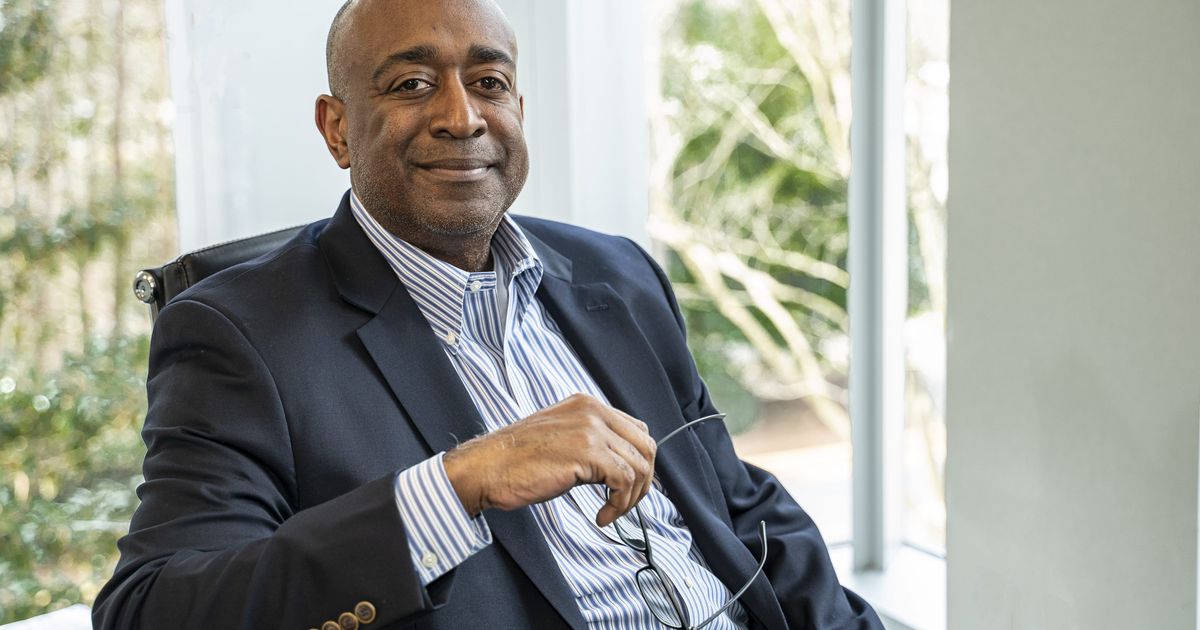
Donald Thompson, EY Entrepreneur Of The Year® 2023 SE Award-winner, founded The Diversity Movement, a Workplace Options Company, to fundamentally transform the modern workplace through diversity-led culture change. Recognized by Inc., Fast Company and Forbes, Thompson is author of Underestimated: A CEO’s Unlikely Path to Success, hosts the podcast “High Octane Leadership in an Empathetic World” and has published widely on leadership and the executive mindset. His latest book is The Inclusive Leadership Handbook: Balancing People and Performance for Sustainable Growth, co-authored with Kurt Merriweather, Vice President of Global Marketing at Workplace Options, parent company of The Diversity Movement. Follow Thompson on LinkedIn for updates on news, events and his podcast, or contact him at [email protected] for executive coaching and speaking engagements.
link